Why Do Bicycle Brake Cables Snap? (And How to Prevent It)
If you’ve ever pulled your brake lever and felt nothing but a terrifying click… you already know the sinking feeling of a snapped brake cable. It’s every UK cyclist’s nightmare — whether you’re flying down a hill in the Yorkshire Dales, commuting through congested London streets, or trying to stop on a wet Manchester morning.
Brake cables aren’t supposed to snap, but they do.
And in the UK, they snap more often than most riders realise — thanks to our weather, road conditions, and constant braking habits.
The good news? Once you know why it happens, preventing a snapped cable becomes incredibly easy. Here’s everything UK cyclists need to know.
1. Rust: The Silent Cable Killer in UK Weather
Rain. Fog. Condensation. Morning dew. Winter salt.
The UK climate is basically brake-cable torture.
Moisture creeps into the housing, sits there, and slowly eats the metal from the inside. By the time you notice rusty strands poking out of the lever, it’s already too late.
Signs your cable is rusting:
• Dark, gritty dust near the cable end
• Stiff braking feel
• Crackling sound when you pull the lever
• Corrosion where the cable exits the housing
This is the number one cause of cable snapping in the UK.
Prevention:
Switch to stainless-steel or PTFE-coated cables — Laxzo stocks these at far more affordable prices than major cycling retailers.
2. Friction and Wear at the Brake Lever
Most cables snap inside the brake lever, where the cable bends sharply every time you pull the brake.
Over hundreds of pulls (thousands if you commute), the individual strands start to fray. Eventually, they give up.
Think of it like bending a paperclip repeatedly — it snaps at the point of stress.
Cause:
• Tight bends
• Worn-out lever channels
• Cheap cable material
• Incorrect cable installation
Prevention:
• Apply a drop of lube at the lever channel
• Replace cables annually (or more often in winter)
• Use smooth, low-friction cables such as Laxzo’s polymer-coated ones
3. Cable Housing Collapse
Your cable housing is meant to guide the cable smoothly.
But if the outer housing splits or the internal liner wears away, the cable drags, grinds and frays.
UK grit makes this failure happen even faster.
Signs of failing cable housing:
• Spongy lever feel
• Crunching or grinding sensation
• Cable doesn’t spring back fully
• Visible cracks in the housing
Eventually, the cable catches on the damaged housing and snaps under tension.
Prevention:
Replace the whole cable and housing together.
This is why many riders buy full cable kits from Laxzo instead of mixing old and new parts.
4. Incorrect Cable Tension
Looseness=bad braking
Tightness=accelerated cable wear
Cables that are over-tightened exert continuous pressure on the entire system, particularly at the point where the cable connects to the brake arm. This leads to the formation of weak spots that eventually break due to the strain.
You can prevent this by:
• Before tightening, allow a tiny bit of slack
• Utilize barrel adjusters rather than overtightening
• Check tension every couple of weeks (more frequently in winter)
Just a few minutes of adjustment can save you from a broken cable when it is the most inconvenient.
5. Cheap, Low-Quality Cables
Not all cables are created equal — and many bikes come with budget cables that simply weren’t designed for UK riding conditions.
Problems include:
• Soft metal that frays quickly
• Poor corrosion resistance
• Rough cable surfaces causing friction
• Low-quality inner lining
You pull the brake harder when it rains.
You ride through more grit.
You stop more often on busy UK roads.
Cheap cables don’t stand a chance.
Solution:
Upgrade to durable stainless-steel or coated cables — this is why so many UK cyclists choose Laxzo as a cost-effective upgrade option.
6. Winter Road Salt Accelerates Cable Failure
If you ride through winter, your cables are battling more than rain — they’re battling salt.
Salt speeds up corrosion dramatically.
If you notice your cables snapping more frequently in December–February, this is the reason.
Prevention:
• Wipe cables and housings after winter rides
• Choose corrosion-resistant materials
• Replace cables at the start and end of winter
7. Dirt and Grit Working Into the Cable Housing
British road grit is brutal — especially after a rainy ride.
Tiny particles of dirt work their way into the cable housing and act like sandpaper, grinding the cable with every pull.
Over weeks or months, the strands weaken and fail.
Common signs:
• Stiff braking
• Slow return of brake levers
• Crunchy pulling sensation
Prevention:
• Clean your bike regularly
• Use sealed or coated cables
• Avoid riding through deep puddles (if possible!)
How to Keep Brake Cables from Breaking — The UK-Proof Checklist
1. At least once a year, brake cables ought to be replaced
2. Cable instead of housing always
3. Choose corrosion-resistant stainless-steel or PTFE-coated cables
4. Add lubricant regularly to the cable ends
5. Tension the cable less than the maximum
6. Inspect for signs of wear very carefully
7. During autumn and winter, clean your cables more frequently
8. Cable quality upgrade — cheaper ones fail sooner
9. Buy from a trusted UK supplier(Laxzo)
10. Replace it proactively, not waiting till bad braking appears
Why UK Cyclists Rely on Laxzo for Brake Cables
Laxzo has become a favourite among road cyclists, commuters and MTB riders because:
• Their cables are built for wet, gritty, salt-covered British roads
• Prices are far lower than big-name cycling retailers
• They offer stainless-steel, PTFE-lined and low-friction polymer cables
• Delivery is fast across the UK
• The quality is consistently reliable
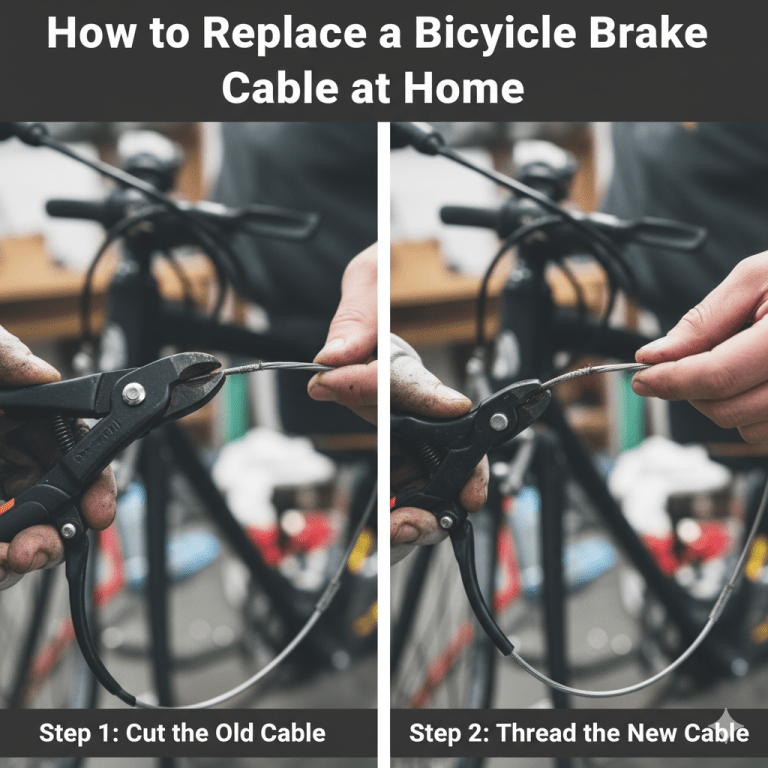
• Riders can replace cables at home easily with Laxzo’s kits
For cyclists who care about safety and performance, Laxzo provides dependable, UK-ready components without the inflated cost.
Final Thoughts — Don’t Let a £5 Part Ruin a £500 Ride
Brake cables snap for predictable reasons — rust, friction, grit, poor materials, winter salt, and wear at the lever.
All avoidable.
All easy to fix.
By choosing weather-resistant cables and replacing them regularly, you can avoid the scary, dangerous moment when your lever suddenly does nothing.
And with Laxzo offering durable, affordable brake cables suited to UK riding conditions, upgrading has never been easier — or safer.
Ride smart.
Stay safe.
And never let your brake cables catch you out again.